
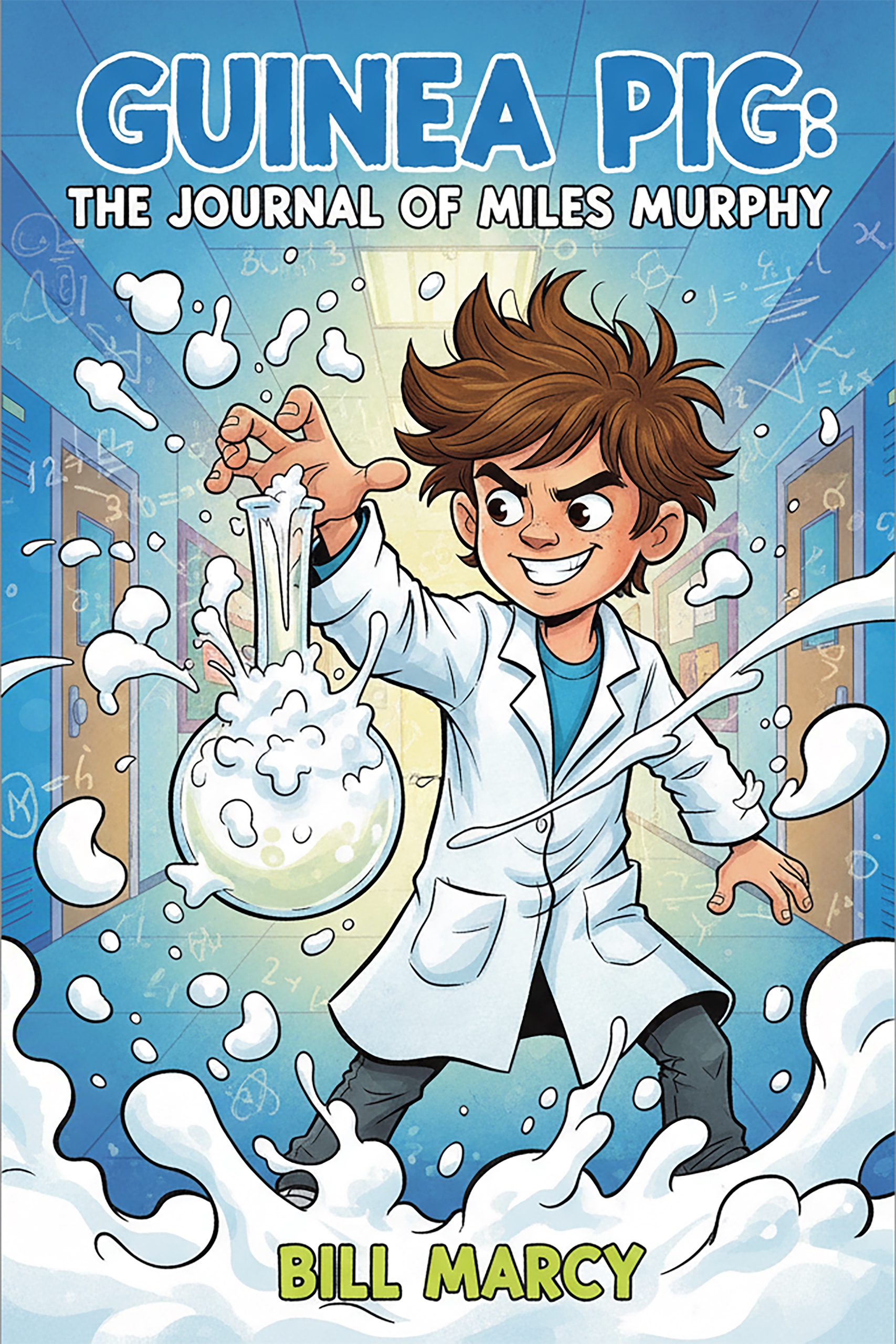
Description
Miles Murphy has a system. Don’t try. Don’t care. Don’t give teachers a reason to expect anything from you. It’s worked pretty well for twelve years.
Then Mr. Phelps quits.
The new teacher, Ms. Ruiz, shows up on Monday with a lab coat, a dangerous smile, and a poster that says SCIENCE IS NOT A SPECTATOR SPORT. She gives a pop quiz on day one. She assigns lab partners. And she announces that the science fair is worth 40% of their grade.
Miles gets paired with Harper Jones, a girl who talks less than his dog and draws better than most adults. He’s stuck with a project about cornstarch and water that sounds like the most boring thing ever invented.
Except it’s not boring. It’s WEIRD. You can punch it and it goes solid. You can walk on it. You can drop a golf ball on it from four feet and it bounces off like a trampoline. (It also bounces off Tyler Brandt’s head, but that part was an accident. Mostly.)
Tyler Brandt is the kid whose dad builds his projects for him and whose mouth writes checks his brain can’t cash. He wants to win. He’s willing to cheat to do it. And he’s got his eye on Miles.
Here’s the thing about not caring: it’s easy. It’s comfortable. Nobody’s disappointed when you don’t try.
But Miles is starting to try. And that’s the scariest experiment of all.
GUINEA PIG is for every kid who’s been told they have “potential” and wanted to scream. For every kid who’s smarter than their grades. For every kid who figured out that not trying is safer than trying and failing.
It’s also for kids who want to know what happens when you drop a golf ball onto a liquid that forgets it’s a liquid.
Spoiler: it’s awesome.
Note To Parents – BOYS STOP READING HERE!
These books show boys that trying is harder than not trying and that’s exactly why it matters. Miles spends the whole series learning that the comfortable safety of “I don’t care” is a trap. He doesn’t learn this from a speech. He learns it from building things that break and building them again.
These books show boys that smart comes in different shapes. Miles is the thinker. Harper is the artist-scientist. Nicky is the organizer. Dante is the wild card who turns out to be right about things nobody believed. Tyler is the kid who’s been coasting on his dad’s work and slowly learns to use his own hands. Marcus is the quiet kid who knows everything but nobody asks. Every boy reading this will find himself in one of these characters.
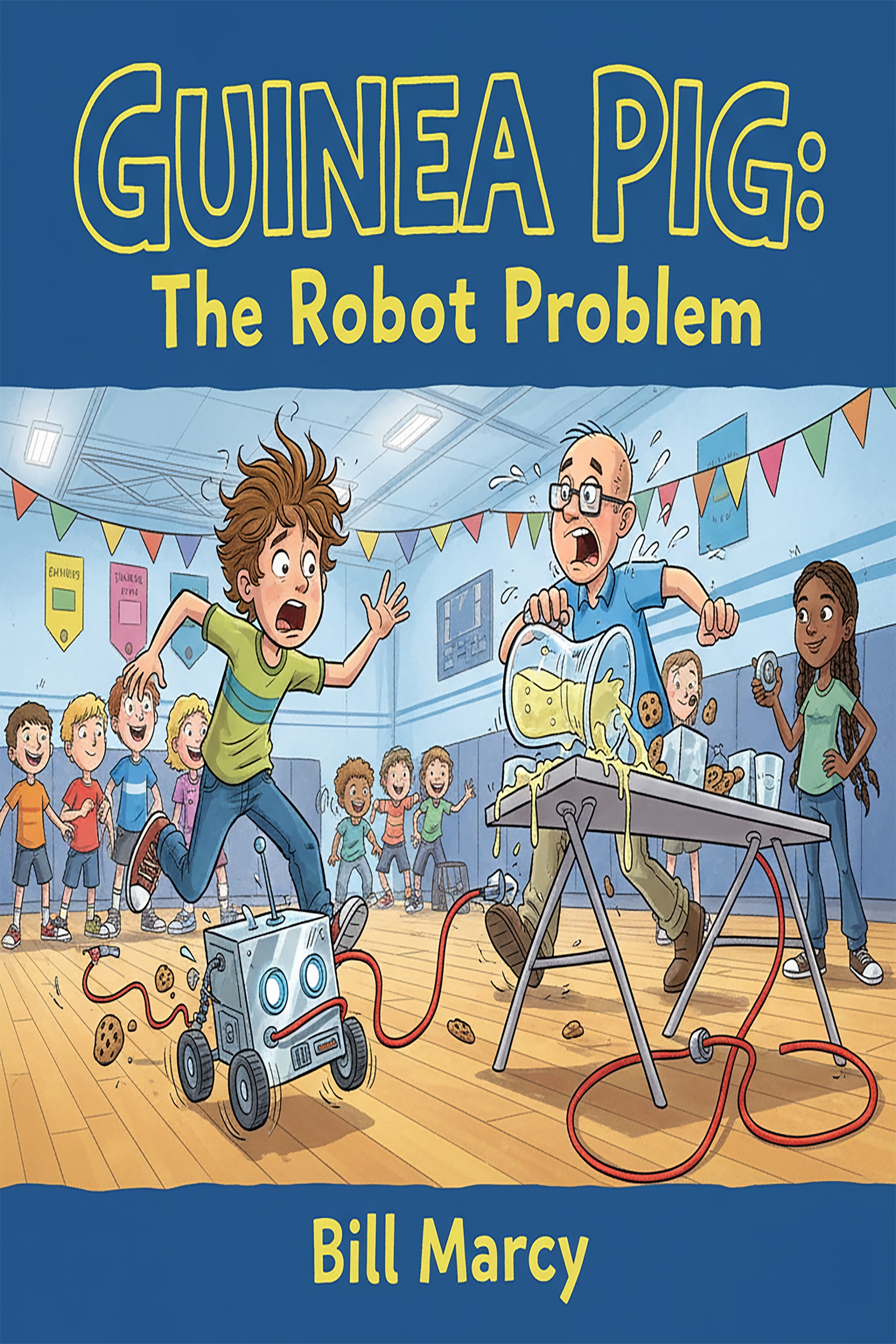
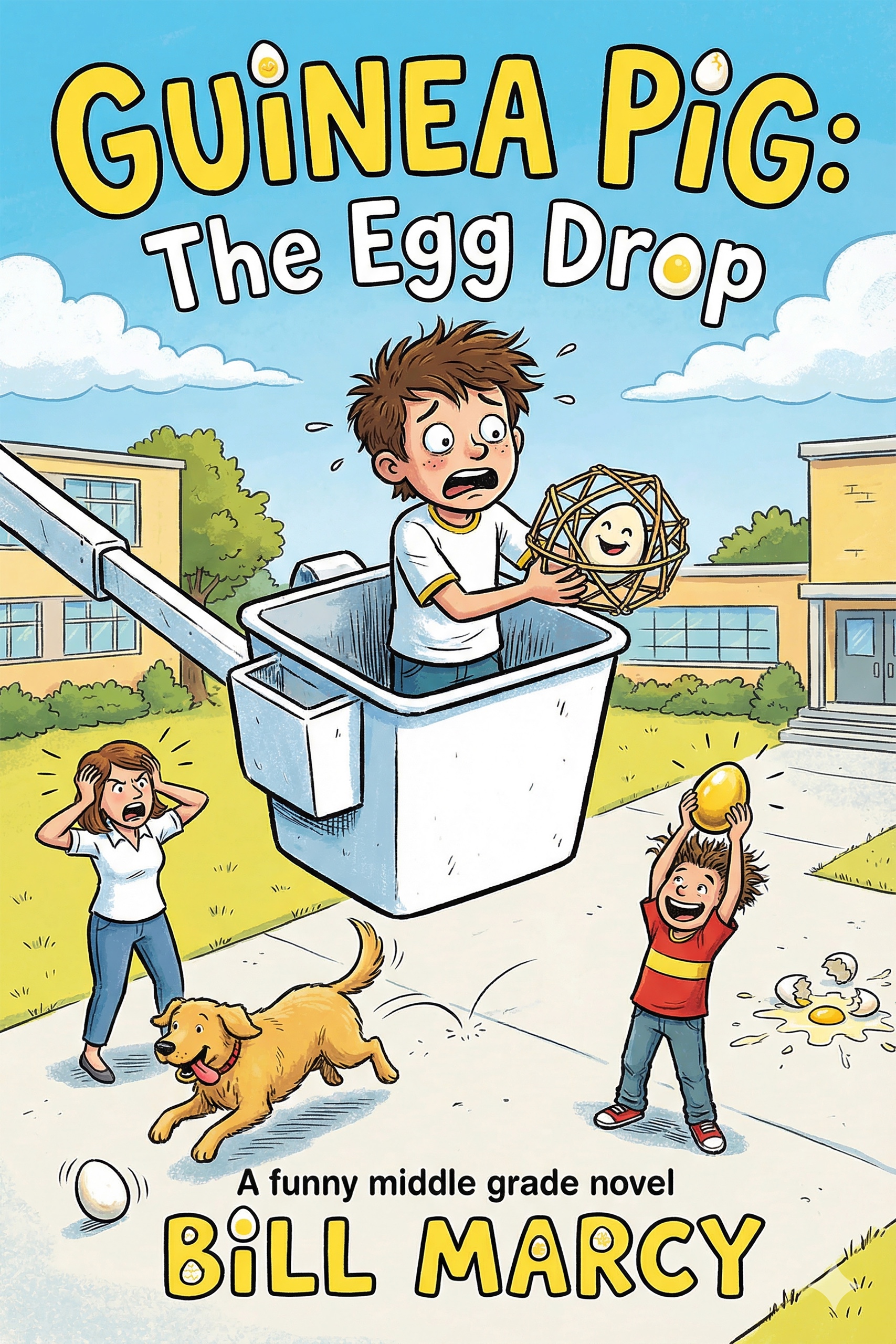
These books show boys that failure is not the end of the story. It’s the middle. Miles fails publicly, repeatedly, and spectacularly. His robot attacks a refreshments table. His egg gets run over by a Camry. His dog pees on his invention. And every single time, he gets back up and builds the next version. That’s not a lesson delivered in a lecture. That’s a lesson delivered in a story a kid can’t put down.
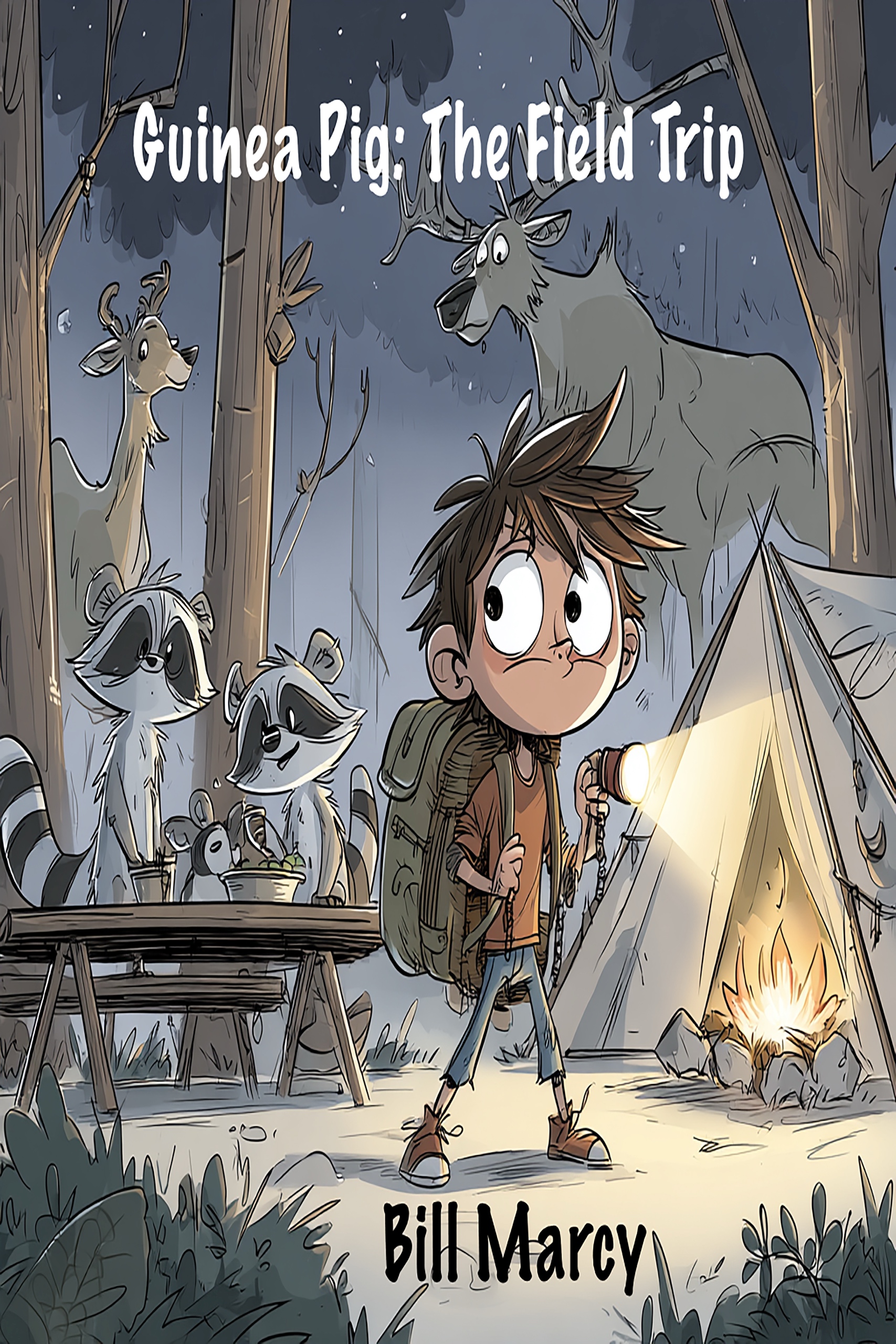
These books show boys that being emotional doesn’t make you weak. Miles cries at the science fair. Nicky cries when Gerald gets second place. Dante cries when Fernando talks. Tyler admits he’s scared in the woods. None of them are punished for it. None of them are mocked. The feelings are just there, part of the story, part of being human, part of being twelve.
These books show boys that good men ask for help. Tyler’s entire arc across six books is learning to stop pretending he can do everything alone. He asks Miles to help with the bracket. He lets Marcus answer the judges. He builds his own pedal charger without his dad. Asking for help isn’t weakness. It’s the thing that makes Version Seven possible.
These books show boys that the adults in their lives matter but the adults can’t do it for them. Ms. Ruiz points. The kids walk. Dad buys the hiking boots but Miles has to break them in. Mom puts a glass of water next to him but doesn’t interrupt. Tyler’s dad builds the turbine but Tyler can’t answer the judge’s questions. The message is clear: the adults who help you grow are the ones who let you struggle.
These books show boys that girls are allies, not accessories. Harper is not a love interest. She’s the smartest person in the room and Miles knows it and respects it and learns from it. She doesn’t need rescuing. She rescues Biscuit with a whisper when nobody else can stop him. She’s a full character with her own ambitions and her own arc and boys reading this will see a girl they’d want on their team.
These books are genuinely funny. Not “educational book trying to be funny” funny. Actually funny. The kind of funny where milk comes out of your nose. Herbert’s funeral. The rogue robot. The vice principal’s tire. Biscuit throwing shoes at a wall-mounted dog feeder. Tommy Finch’s shoe bacteria reaching through the tape seal. A kid riding a golden retriever through a convention hall. These are the scenes kids will read to each other at sleepovers and remember when they’re thirty.
And underneath all the funny, these books are about one thing: becoming the kind of person who builds things. Not just machines and science projects. The kind of person who builds friendships and confidence and the willingness to fail in front of people and get up and try again. The kind of person a boy needs to become to grow into a good man.
That’s why these books are good for boys. Not because they teach lessons. Because they tell a story that a boy can’t stop reading, and the lessons are hidden inside the laughter like medicine inside a really good piece of candy.
The kid won’t even know it’s happening until it’s already done.
Reviews
There are no reviews yet.